
Introduction
Have you ever wondered why one eye sees better than the other? Many people notice unequal vision between eyes at some point. Sometimes, this difference is mild and harmless. However, it can also signal an underlying problem. Understanding the causes and solutions can help you protect your sight. In this blog, we explain why one eye may be blurry, how doctors diagnose the issue, and what you can do to fix vision in one eye.
Common Symptoms
Often, people notice vision changes in one eye before the other. For example, you may find that one eye is blurry or objects look dimmer. Other signs include:Difficulty reading with one eyeHeadaches or eye strainDouble vision or ghost imagesSquinting or closing one eye to see clearlyFrequent changes in glasses prescription
Sometimes, these symptoms appear slowly. But in other cases, they come on suddenly. If you notice any of these signs, it is important to pay attention.
Causes
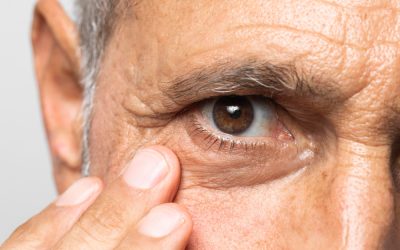
There are several reasons why one eye sees better than the other. Some causes are common and easy to treat. Others may need more care. Here are the main causes:Refractive errors: These include nearsightedness, farsightedness, and astigmatism. They make light focus unevenly in the eyes. As a result, one eye may be blurrier than the other.Amblyopia (lazy eye): This condition usually starts in childhood. One eye does not develop normal vision, so the brain favors the other eye.Cataracts: A cataract is a cloudy area in the lens of the eye. It can cause blurry vision in one eye, especially as people age.Eye injuries: Trauma or scratches can affect vision in one eye. For example, a corneal abrasion may cause pain and blurriness.Infections or inflammation: Conditions like conjunctivitis or uveitis can make one eye see worse.Retinal problems: Issues like retinal detachment or macular degeneration may affect one eye more than the other.
According to the World Health Organization (WHO), refractive errors and cataracts are leading causes of vision problems worldwide.
Diagnosis
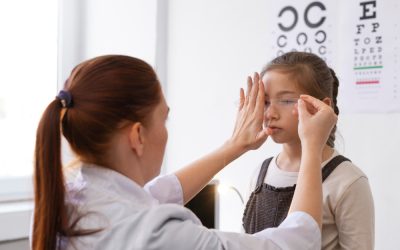
To find out why one eye sees better than the other, eye doctors use several tests. First, they ask about your symptoms and medical history. Then, they perform a full eye exam. This may include:Reading an eye chart to check sharpnessMeasuring how your eyes focus lightLooking at the front and back of your eyes with special lightsTesting eye movement and alignmentChecking eye pressure
Sometimes, doctors use eye drops to widen your pupils. This helps them see inside your eyes better. If needed, they may order more tests, such as scans or blood work.
Treatment Options
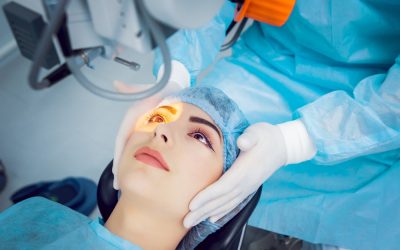
Treatment depends on the cause of unequal vision between eyes. Here are some common solutions:Glasses or contact lenses: These correct refractive errors and help balance vision.Patching or vision therapy: For amblyopia, covering the stronger eye can help the weaker eye improve.Surgery: Cataract removal or retinal repair may be needed for certain conditions.Medications: Eye drops or pills can treat infections or inflammation.Protective eyewear: This helps prevent further injury if trauma is the cause.
In many cases, early treatment leads to better results. Therefore, it is important to follow your doctor’s advice closely.
Prevention and Eye Care Tips
While not all causes can be prevented, you can take steps to keep your eyes healthy. For example:Get regular eye exams, even if you have no symptomsWear sunglasses to protect your eyes from UV raysEat a balanced diet rich in fruits and vegetablesTake breaks from screens to reduce eye strainUse protective eyewear during sports or risky activitiesManage health conditions like diabetes and high blood pressure
Additionally, avoid rubbing your eyes and keep your hands clean to prevent infections.
When to See a Doctor
Sometimes, vision changes can be a sign of a serious problem. You should see an eye specialist right away if you notice:Sudden vision loss in one or both eyesSevere pain, redness, or swellingFlashes of light or new floatersDouble vision that does not go away
Early care can prevent lasting damage. If you notice vision differences between your eyes, consult an eye specialist at Global Eye Hospital for personalized advice.