What Are Eye Floaters?
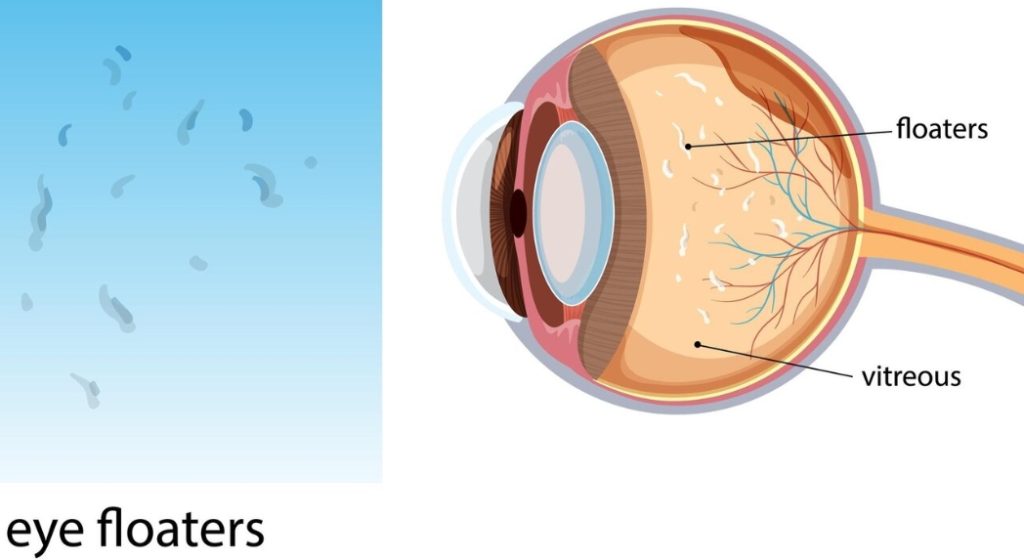
Eye floaters are small spots or shapes that drift across your vision. Often, they look like tiny dots, threads, or cobwebs. Usually, you notice them when looking at a bright background, like a clear sky or a white wall. While most floaters are harmless, some can signal a problem. Because of this, it is important to know when to worry about eye floaters.
Common Causes of Eye Floaters
Most eye floaters appear as a normal part of aging. As you get older, the clear gel inside your eye, called the vitreous, changes. Over time, this gel can shrink and form clumps. These clumps cast shadows on your retina, which you see as floaters. Besides aging, other causes include:Eye injuriesInflammation inside the eyeBleeding in the eyeEye surgeries or treatments
However, most floaters are not dangerous and do not affect vision.
When Are Eye Floaters Dangerous?
Sometimes, eye floaters can be a sign of a serious problem. For example, a sudden increase in floaters may mean the retina is tearing or detaching. The retina is the thin layer at the back of your eye that helps you see. If it pulls away, you could lose vision quickly. Therefore, knowing the signs of dangerous eye floaters is very important.
Warning Signs to Watch For
Not all floaters are a cause for worry. Still, you should seek help if you notice:A sudden increase in floatersFlashes of light in your visionLoss of side (peripheral) visionA dark shadow or curtain over part of your visionBlurred or distorted visionPain or redness in the eye
Because these symptoms can mean a retinal tear or detachment, you should see an eye doctor right away. Early treatment can help save your sight.
Diagnosis and When to See a Doctor
If you notice new or sudden floaters, it is best to see an eye specialist. During your visit, the doctor will:Ask about your symptoms and medical historyExamine your eyes with special lights and lensesCheck your retina for tears, holes, or detachment
Sometimes, extra tests like ultrasound may be needed. If you live in a city with eye care clinics, search for “eye care in [your city]” to find help nearby.
Treatment Options
Most eye floaters do not need treatment. Often, your brain learns to ignore them over time. However, if floaters are caused by a serious problem, treatment may include:Laser therapy to break up floaters (rarely used)Surgery to remove the vitreous gel (vitrectomy)Repair of retinal tears or detachment
Because every case is different, your doctor will suggest the best option for you.
Prevention and Eye Health Tips
While you cannot always prevent eye floaters, you can protect your eye health. Try these tips:Wear sunglasses to shield your eyes from UV raysEat a healthy diet rich in fruits and vegetablesManage health conditions like diabetes and high blood pressureGet regular eye exams, especially as you ageAvoid eye injuries by using protective eyewear
Additionally, staying healthy overall supports good vision.
Conclusion and Call-to-Action
In summary, most eye floaters are harmless and part of aging. However, dangerous eye floaters can signal a serious problem, especially if you notice sudden changes, flashes, or vision loss. If you notice sudden changes in your vision or new floaters, consult an eye specialist at Global Eye Hospital promptly. Early care can help protect your sight and keep your eyes healthy for years to come.