What is Myopia in Children?
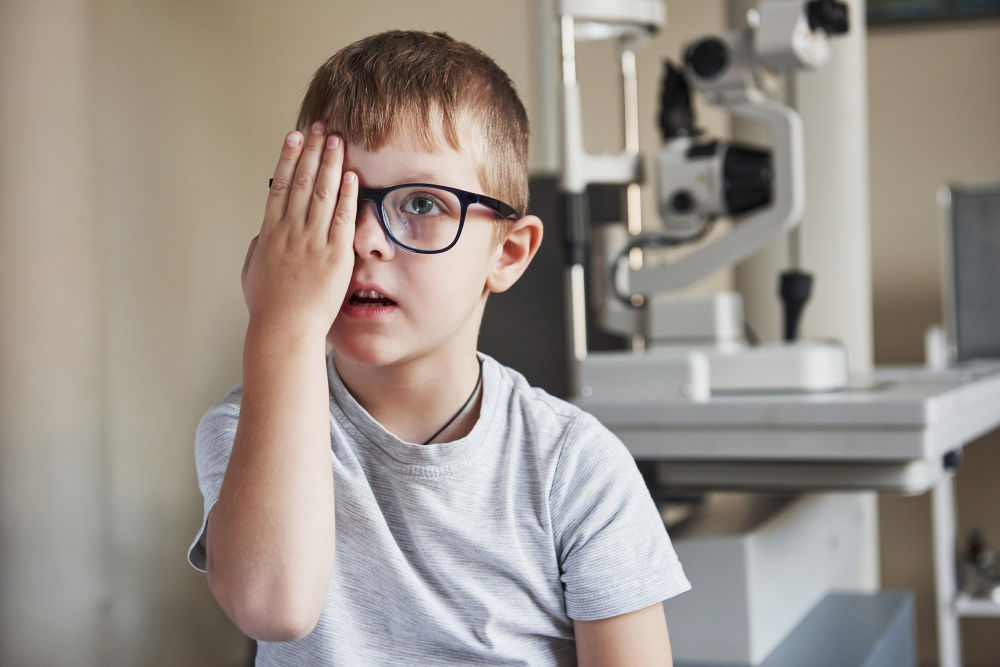
Myopia in children means your child has trouble seeing things far away. This is also called nearsightedness. When a child has myopia, distant objects look blurry, but close objects stay clear. Today, more kids are getting myopia than ever before. In fact, the World Health Organization notes that childhood myopia is rising worldwide. Early detection helps protect your child’s vision.
Common Symptoms of Myopia
Sometimes, myopia symptoms in children are easy to miss. However, knowing what to look for can help. For example, your child may:
Additionally, some children may not notice changes in their vision. For this reason, regular eye checks are important.
Causes: Why Is Your Child’s Eye Power Increasing?
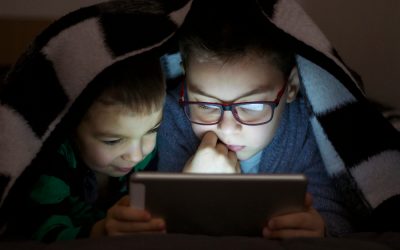
Many parents wonder why their child’s eye power keeps increasing. Several factors can lead to increasing eye power in kids. First, genetics play a big role. If you or your partner have myopia, your child is more likely to get it too. Second, spending lots of time on close-up tasks, like reading or using screens, can raise the risk. Third, not spending enough time outdoors may also affect eye growth. Studies show that children who play outside more often have a lower risk of developing myopia. As a result, lifestyle choices can make a difference.
How Myopia is Diagnosed in Children
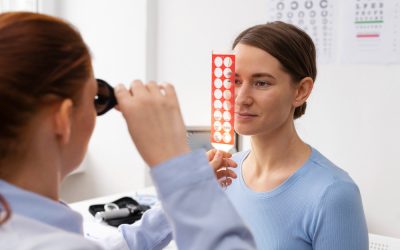
Eye doctors use simple tests to check for myopia in children. Usually, they ask your child to read letters on a chart. Sometimes, the doctor uses special drops to help check the eyes more closely. These drops make it easier to measure your child’s eye power. After the exam, the doctor will explain the results. Early diagnosis helps prevent further vision problems.
Treatment Options for Childhood Myopia
There are several ways to treat childhood myopia. Glasses are the most common option. They help your child see clearly and are easy to use. In some cases, contact lenses may be suitable for older kids. Additionally, special eye drops called atropine drops can slow myopia progression. Some children may benefit from special types of contact lenses, like orthokeratology lenses, which are worn at night. Your eye doctor will help you choose the best treatment for your child.
Lifestyle Tips to Slow Myopia Progression
Parents can help slow increasing eye power in kids by making small changes. For instance, encourage your child to:
Furthermore, remind your child to blink often and rest their eyes. These habits can help protect their vision over time.
Prevention Strategies for Parents
Although myopia cannot always be prevented, parents can lower the risk. For example, you can:
By following these steps, you can help in preventing myopia progression and support your child’s eye health.