What is Diabetic Retinopathy?
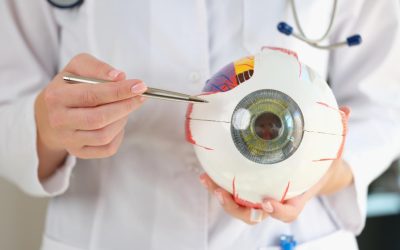
Diabetic retinopathy is a common diabetic eye disease. It happens when high blood sugar damages the tiny blood vessels in the retina. The retina is the part of your eye that senses light and sends signals to your brain. Over time, this damage can cause vision problems or even blindness. However, early detection and care can help protect your eyesight.
Causes and Risk Factors
Diabetic retinopathy develops because of long-term high blood sugar. This can harm the blood vessels in your eyes. But several other factors can increase your risk. For example, the longer you have diabetes, the higher your risk. In addition, poor blood sugar control can make the problem worse.Having diabetes for many yearsPoor control of blood sugar levelsHigh blood pressureHigh cholesterolPregnancy (for women with diabetes)Smoking
Because these factors add up, it is important to manage your health carefully.
Common Symptoms
At first, diabetic retinopathy may not cause any symptoms. Yet as the disease gets worse, you may notice changes in your vision. For example, you might see blurry spots or dark areas. Sometimes, colors may look faded. In some cases, sudden vision loss can happen.Blurry or distorted visionDark or empty spots in your sightDifficulty seeing at nightColors appear fadedSudden loss of vision
If you notice any of these signs, you should see an eye specialist right away.
Diagnosis Methods
Doctors use several tests to check for diabetic retinopathy. First, they will ask about your health and vision. Next, they will examine your eyes. Usually, they use special drops to widen your pupils. This helps them see the retina more clearly. In addition, they may use a camera to take pictures of your retina. Sometimes, a test called fluorescein angiography is used. This test shows if blood vessels are leaking or blocked.Eye exam with pupil dilationRetinal photographyOptical coherence tomography (OCT)Fluorescein angiography
Early diagnosis is key to preventing retina damage from diabetes.
Treatment Options
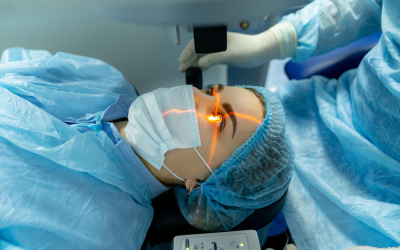
There are several diabetic retinopathy treatment options. The right choice depends on how severe the disease is. For mild cases, controlling your blood sugar, blood pressure, and cholesterol may be enough. However, advanced cases may need special treatments.Laser therapy to seal leaking blood vesselsInjections of medicine into the eye to reduce swellingVitrectomy surgery to remove blood or scar tissue
Because each person is different, your doctor will suggest the best plan for you.
Prevention Tips and Lifestyle Guidance
Preventing diabetic retinopathy starts with good diabetes care. Even small changes can make a big difference. For example, checking your blood sugar often helps you stay in control. In addition, healthy habits can lower your risk.Keep your blood sugar within your target rangeManage blood pressure and cholesterolEat a balanced diet rich in fruits and vegetablesExercise regularly, as advised by your doctorDo not smokeHave regular eye exams, even if you feel fine
Because early action is so important, do not skip your check-ups.
When to See an Eye Specialist
It is important to see an eye specialist at least once a year if you have diabetes. However, if you notice any vision changes, make an appointment right away. For example, sudden blurriness or dark spots need quick attention. Early treatment can help prevent serious vision loss.
In summary, diabetic retinopathy is a serious but manageable diabetic eye disease. With regular check-ups and healthy habits, you can protect your vision. Consult an eye specialist at Global Eye Hospital for personalized advice on diabetic retinopathy.