Many parents worry about their children’s health, but eye problems can be easy to miss. Knowing the signs your child may have an eye problem helps you act early. Children’s eye health is important for learning and play. However, early signs of vision problems in kids are not always clear. If you know how to spot eye issues in children, you can help protect their sight. The World Health Organization (WHO) says early care can prevent many vision problems.
Frequent Squinting or Closing One Eye
Sometimes, children squint or close one eye to see better. This can be a sign of blurry vision or trouble focusing. For example, your child may squint when watching TV or reading a book. They might also close one eye in bright sunlight. These actions may mean your child is trying to make things clearer.
Squinting can be caused by:
If you notice your child squinting often, it is a good idea to see an eye doctor. Early treatment can prevent learning problems and eye strain.
Frequent Eye Rubbing or Complaints of Tired Eyes
Many children rub their eyes when they are tired. However, frequent eye rubbing can signal eye strain or discomfort. For instance, your child may rub their eyes after reading or using a tablet. Sometimes, they may say their eyes feel tired or itchy.
Common causes include:
If eye rubbing happens often or your child complains about tired eyes, consider seeing an eye care professional. Early help can prevent further discomfort.
Holding Objects Very Close or Sitting Too Near Screens
Children sometimes hold books or tablets close to their faces. They may also sit very near the TV. These habits can be early signs of vision problems in kids. For example, your child may move closer to see details or words.
Possible causes are:
If you see this behavior often, it may be time for an eye check. Early care can help your child see better and avoid headaches.
Misaligned Eyes or Wandering Eye
Sometimes, one eye may turn in, out, up, or down. This is called strabismus or a wandering eye. You may notice this when your child looks at you or in photos. Misaligned eyes can affect depth perception and learning.
Causes may include:
Early treatment is important. If you notice misaligned eyes, see an eye doctor soon. The Centers for Disease Control and Prevention (CDC) recommends early checks for best results.
Frequent Headaches or Covering One Eye
Children may get headaches if they strain to see. They might also cover one eye to read or watch TV. These signs can point to vision problems. For example, your child may complain of headaches after school or while doing homework.
Possible causes include:
If headaches or covering one eye happen often, it is wise to schedule an eye exam. Early care can improve comfort and learning.
How Eye Problems Are Diagnosed in Children
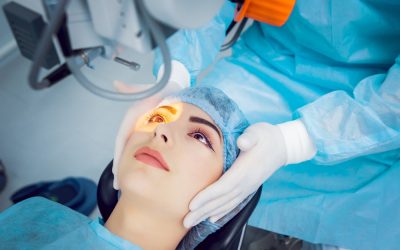
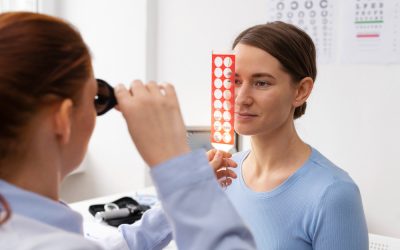
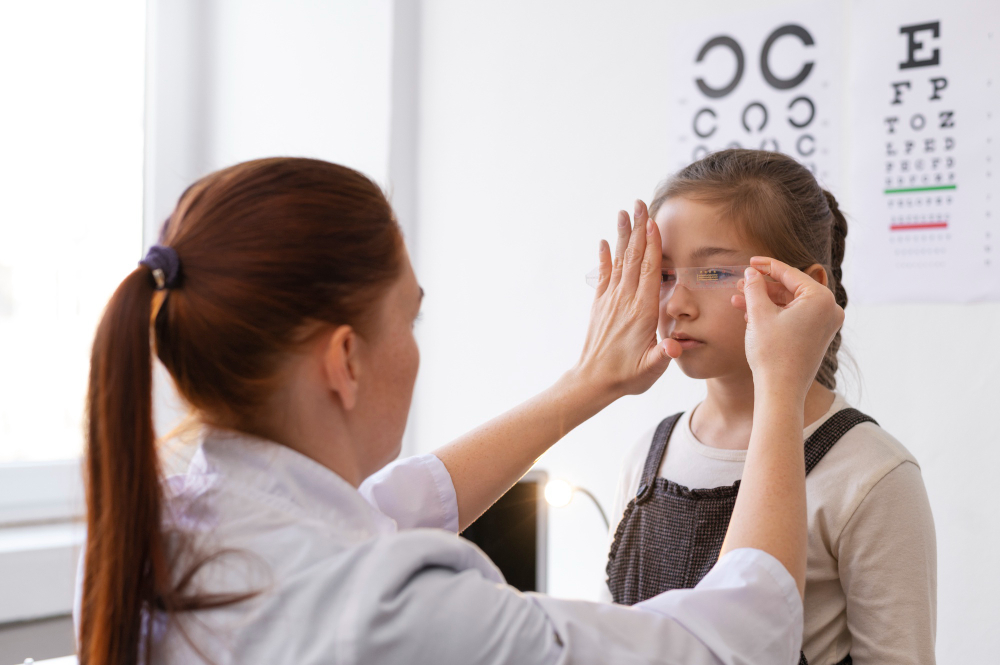
Eye doctors use simple tests to check children’s vision. First, they may use a chart with pictures or letters. This helps measure how well your child can see. Next, doctors may shine a light into the eyes to check their health. Sometimes, they use special tools to look at the inside of the eye. These tests are quick and painless.
In some cases, the doctor may use eye drops to widen the pupils. This allows a better look at the back of the eye. The American Academy of Ophthalmology says regular eye exams are safe and important for children.
Prevention and Eye Care Tips for Kids
Good eye care can help prevent many problems. For example, regular eye exams are key. Healthy habits also protect children’s eye health. The CDC and WHO both recommend these steps for children of all ages.
With these tips, you can help keep your child’s eyes healthy and strong. Consult Global Eye Hospital for diagnosis and treatment of all eyes related conditions.