What is Pediatric Squint?
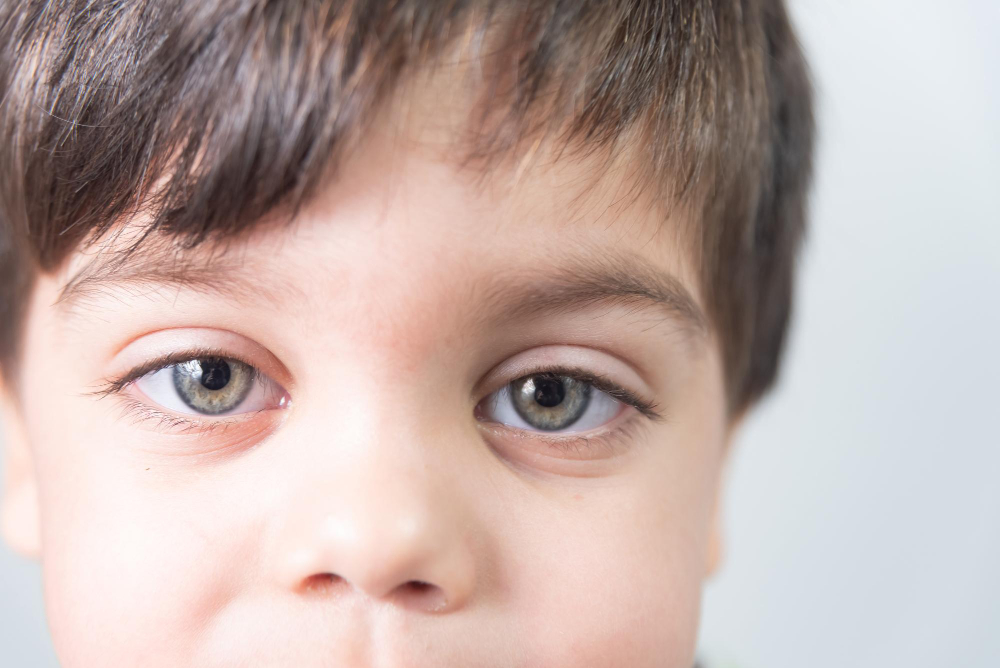
Pediatric squint, also called strabismus in children, is a condition where a child’s eyes do not look in the same direction. Instead, one or both eyes may turn in, out, up, or down. Because of this, the eyes are not aligned properly. Pediatric squint is common in young children. Early detection is important, as it can affect vision and confidence. According to the World Health Organization (WHO), early treatment for squint in kids can prevent long-term vision problems.
Common Causes of Pediatric Squint
There are several reasons why a child may develop a squint. Sometimes, the cause is not clear. However, the most common causes include:Family history of squint or eye alignment issuesWeak eye muscles or nerve problemsUncorrected vision problems, such as being very farsightedEye injuries or traumaMedical conditions like cerebral palsy or Down syndromePremature birth or low birth weight
In some cases, squint appears soon after birth. On the other hand, it can also develop later in childhood.
Recognizing Symptoms in Children
It is important for parents to notice signs of childhood squint early. While some symptoms are easy to spot, others may be subtle. Look for these signs:One or both eyes turn in, out, up, or downEyes that do not move togetherFrequent squinting or closing one eyeTilting or turning the head to see betterComplaints of double vision or blurry visionPoor depth perceptionDifficulty focusing on objects
Sometimes, children may not complain. Therefore, regular eye checks are important, especially if there is a family history of squint.
How Pediatric Squint is Diagnosed
Early diagnosis helps prevent vision loss. When you visit an eye doctor, they will perform a detailed eye exam. The doctor may use special lights and tools to check how the eyes move and focus. In addition, the doctor will ask about your child’s health and family history. Sometimes, further tests are needed to rule out other problems. According to the American Academy of Ophthalmology, early diagnosis leads to better outcomes for children with pediatric eye alignment issues.
Treatment Options for Pediatric Squint
Treatment for squint in kids depends on the cause and severity. The main goal is to align the eyes and improve vision. Common treatment options include:Glasses: Correct vision problems that may cause squintEye Patches: Cover the stronger eye to strengthen the weaker oneEye Drops: Blur vision in the stronger eye to encourage use of the weaker eyeExercises: Help improve eye muscle controlSurgery: Adjusts the muscles around the eyes if other treatments do not work
Sometimes, a combination of treatments is needed. However, early treatment often leads to better results.
Tips for Parents: Supporting Your Child
Parents play a key role in helping children with pediatric squint. Here are some helpful tips:Encourage your child to wear glasses or patches as prescribedAttend all follow-up visits with the eye doctorSupport your child emotionally and answer their questionsInform teachers and caregivers about your child’s conditionMake eye exercises fun and part of daily routines
With your support, your child can feel more confident and comfortable during treatment.
Prevention and Early Intervention
While not all cases of pediatric squint can be prevented, early action can help. For example, regular eye exams can catch problems early. If your child was born early or has a family history of squint, schedule eye checks often. In addition, treat vision problems like farsightedness quickly. According to the Centers for Disease Control and Prevention (CDC), early intervention can stop vision loss and improve eye alignment.
When to See an Eye Specialist
If you notice any signs of squint or eye alignment issues, see a pediatric eye specialist right away. Early visits are important if:Your child’s eyes do not move togetherOne eye turns in, out, up, or downYour child complains of double visionThere is a family history of squint or vision problems
Remember, early treatment can prevent long-term vision loss and boost your child’s confidence.
Consult a pediatric eye specialist at Global Eye Hospital for personalized advice and early treatment.