What is Descemet’s Membrane Endothelial Keratoplasty (DMEK)?
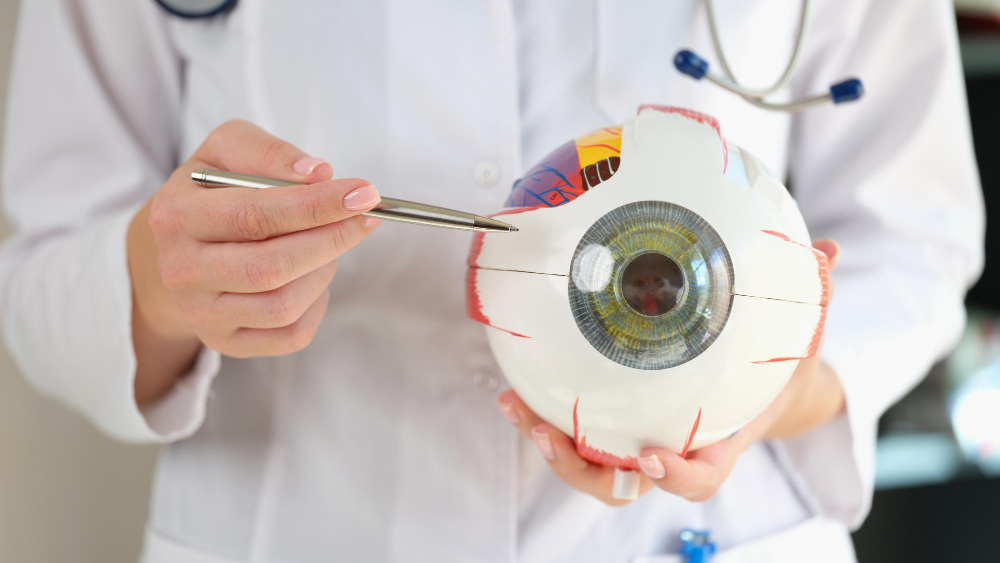
Descemet’s Membrane Endothelial Keratoplasty (DMEK) is a type of corneal transplant. It replaces only the thin inner layer of the cornea, called the endothelium. Because DMEK uses a very thin donor tissue, it helps restore clear vision. Unlike older methods, DMEK is less invasive and often leads to faster healing. Many eye doctors now recommend DMEK for certain corneal diseases.
Symptoms and Conditions Treated by DMEK
DMEK treats problems that affect the inner layer of the cornea. When this layer is damaged, you may notice:Blurry or cloudy visionGlare or halos around lightsEye discomfort or painSwelling of the cornea
For example, Fuchs’ endothelial dystrophy is a common reason for DMEK. Other conditions include bullous keratopathy and damage from previous eye surgery. If you have these symptoms, you should see an eye doctor soon.
Causes Leading to DMEK Surgery
Several causes can damage the corneal endothelium. As a result, DMEK may become necessary. Common causes include:Inherited diseases like Fuchs’ dystrophyInjury or trauma to the eyeComplications from cataract or glaucoma surgeryInfections that harm the cornea
Sometimes, age-related changes also affect the cornea. However, not everyone with these issues will need surgery right away.
Diagnosis and Candidacy for DMEK
First, your eye doctor will check your vision and examine your cornea. They may use special tools to look at the corneal layers. In addition, tests like corneal thickness measurement and specular microscopy help assess the endothelium. If you have severe swelling or vision loss from endothelial failure, you may be a good candidate for DMEK. However, your doctor will consider your overall eye health before recommending surgery.
The DMEK Procedure: Step-by-Step
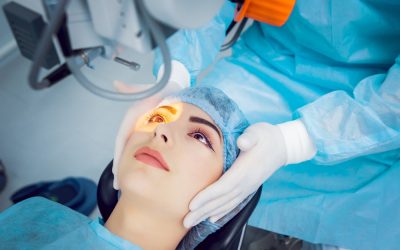
DMEK is a delicate surgery. Here is a simple step-by-step overview:First, the surgeon numbs your eye with drops or an injection.Next, they remove the damaged inner layer of your cornea.Then, the surgeon prepares a thin layer of donor tissue.This tissue is gently placed inside your eye and unfolded.A small air bubble helps hold the new layer in place.Finally, you rest for a short time so the tissue can attach.
Most DMEK surgeries take less than one hour. Because the incision is small, recovery is often quicker than with older corneal transplants.
Benefits and Risks of DMEK
DMEK offers many benefits compared to traditional corneal transplants. For example:Faster visual recoveryLower risk of tissue rejectionBetter vision qualityLess need for long-term eye drops
However, every surgery has some risks. Possible risks of DMEK include:Graft detachment, which may need another procedureInfection or swellingIncreased eye pressureRarely, tissue rejection
Still, most people have good results after DMEK. Your doctor will discuss these risks with you before surgery.
Recovery and Aftercare Tips
After DMEK, you will need to follow your doctor’s advice closely. Here are some helpful tips for a smooth recovery:Use prescribed eye drops as directedLie on your back as much as possible for the first dayAvoid rubbing or pressing on your eyeAttend all follow-up visitsWear an eye shield while sleeping, if advised
Most people notice better vision within a few weeks. However, full recovery may take a few months. If you notice pain, redness, or sudden vision changes, contact your eye doctor right away.
Prevention and Eye Health Guidance
While some corneal problems are not preventable, you can still protect your eye health. For instance:Wear eye protection during sports or risky activitiesManage health conditions like diabetesSee your eye doctor for regular check-upsFollow your doctor’s advice after any eye surgery
Early treatment of eye problems can help prevent serious damage. In addition, healthy habits support long-term vision.
In summary, Descemet’s Membrane Endothelial Keratoplasty (DMEK) is a modern, effective way to restore vision for many people. If you have symptoms or concerns, consult an eye specialist at Global Eye Hospital for personalized advice and care.