Many people experience red, itchy, or watery eyes. But is it an eye allergy or an eye infection? Knowing the difference between eye allergy and eye infection is important. Early recognition helps you get the right treatment and avoid complications. In this blog, we will explain how to spot the difference, what causes each problem, and when to see a doctor. Understanding these signs can help you protect your eye health.
Symptom Comparison: Eye Allergy vs Eye Infection
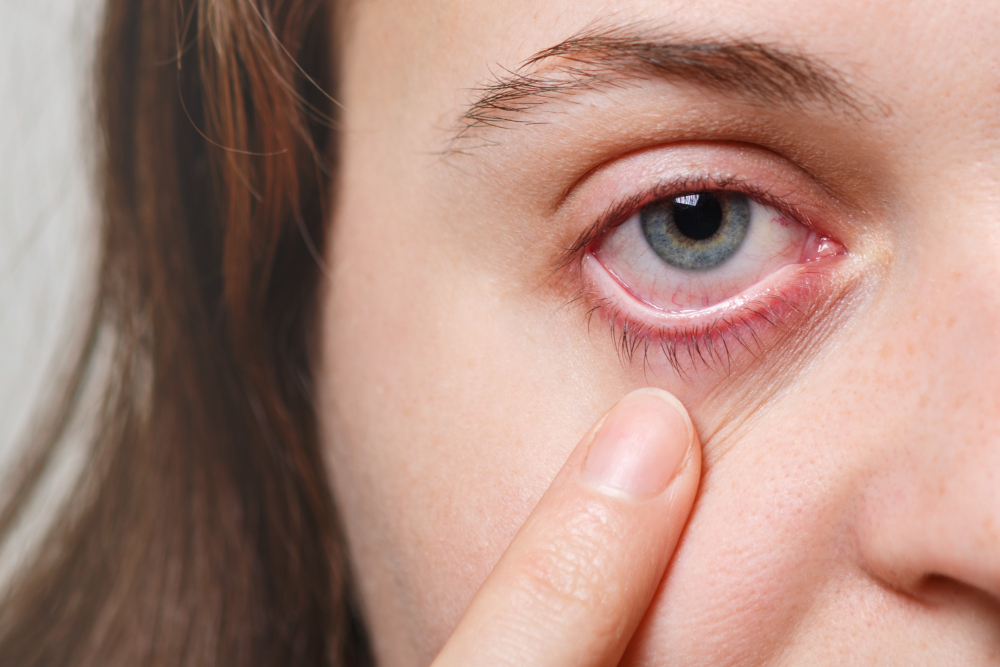
Both eye allergies and eye infections can cause discomfort. However, their symptoms often differ. Below, you can compare the most common signs:Eye Allergy Symptoms:Itchy eyes (often severe)Redness in both eyesWatery or clear dischargeSwollen eyelidsBurning or stinging feelingSneezing or runny nose (sometimes)Eye Infection Symptoms:Redness (one or both eyes)Thick, yellow or green dischargeCrusty eyelids, especially after sleepPain or soreness in the eyeBlurred visionSensitivity to lightFever (in some cases)
As you can see, itchy eyes are more common with allergies, while pain and thick discharge often point to infection. Still, symptoms can overlap. Therefore, it is important to look at all signs together.
Causes: What Triggers Eye Allergies and Eye Infections?
Understanding the causes can help you avoid future problems. Let’s look at what leads to each condition:Eye Allergy Causes:Pollen from trees, grass, or weedsPet danderDust mitesMold sporesSmoke or strong odorsCertain eye drops or makeupEye Infection Causes:Bacteria (like Staphylococcus or Streptococcus)Viruses (such as those causing pink eye)Fungi (rare, but possible)Contact lens use without proper cleaningTouching eyes with dirty handsSharing towels or makeup
While allergies are caused by harmless substances that trigger your immune system, infections are caused by germs. Because of this, the treatment for each is different.
When to Consult a Doctor: Warning Signs
Sometimes, mild symptoms can be managed at home. However, you should see a doctor if you notice:Severe pain in one or both eyesSudden vision changes or blurred visionThick, yellow or green dischargeLight sensitivity that does not improveSymptoms lasting more than a weekFever or feeling very unwell
Additionally, if you wear contact lenses and develop redness or pain, remove them and seek help right away. Early treatment can prevent serious problems, including vision loss. According to the CDC, untreated eye infections can lead to complications.
Prevention and Self-Care Tips
Taking care of your eyes can help prevent both allergies and infections. Here are some simple tips:Wash your hands often, especially before touching your eyesAvoid rubbing your eyes, as this can worsen symptomsKeep windows closed during high pollen seasonsUse clean towels and do not share themRemove makeup before sleepingClean contact lenses as directedUse allergy eye drops if recommended by your doctorStay away from smoke and strong odors
If you have mild symptoms, you can try cool compresses or over-the-counter allergy drops. However, if symptoms get worse or do not improve, see an eye specialist. For those in urban areas, look for trusted eye care in your city for quick help.
Summary
In summary, knowing the difference between eye allergy and infection helps you get the right care. Allergies often cause itching and watery eyes, while infections may cause pain and thick discharge. Still, symptoms can overlap. If you’re unsure about your symptoms, consult an eye specialist for personalized advice.