Introduction: Eye Allergy vs Eye Infection
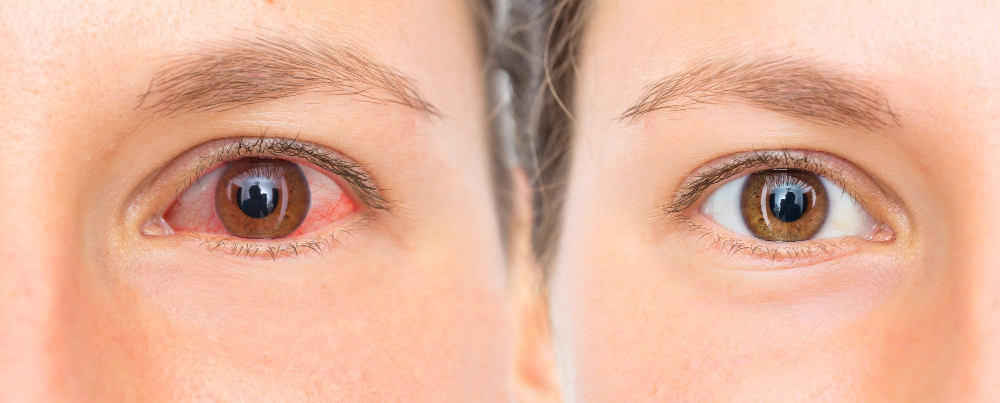
Many people wonder about the difference between eye allergy and eye infection. Both can cause red, itchy, or watery eyes. However, knowing the difference matters because treatment is not the same. An eye allergy happens when your eyes react to things like pollen or dust. On the other hand, an eye infection is caused by germs such as bacteria or viruses. Understanding eye allergy vs eye infection helps you get the right care and avoid problems. If you notice eye redness, it is important to know what is causing it.
Symptom Comparison: Eye Allergy vs Eye Infection
Although both conditions can look similar, their symptoms often differ. Here is how you can tell them apart:
Common Symptoms of Eye Allergy
Itchy eyes (often severe)Redness in both eyesWatery or clear dischargeSwollen eyelidsBurning feelingSneezing or runny nose (sometimes)
Common Symptoms of Eye Infection
Redness (one or both eyes)Thick, yellow or green dischargePain or sorenessLight sensitivityBlurry visionCrusting on eyelids, especially in the morningFever (sometimes, with severe infections)
As you can see, eye allergies usually cause itching and watery eyes. In contrast, eye infections often cause pain and thick discharge. If you notice these differences, you can better understand what is happening.
Causes: What Triggers Eye Allergies and Eye Infections?
Understanding the causes can help you avoid future problems. Here are the main triggers:
Causes of Eye Allergy
Pollen from trees, grass, or flowersDust mitesPet danderMold sporesSmoke or strong smells
Eye allergies are not contagious. They happen when your immune system reacts to harmless things in the air.
Causes of Eye Infection
Bacteria (like Staphylococcus or Streptococcus)Viruses (such as those causing the common cold)Fungi (rarely)Contact lens use without proper cleaningTouching eyes with dirty hands
Eye infections can spread from person to person. For this reason, good hygiene is important.
Diagnosis: How Doctors Tell the Difference
Doctors use several steps to find out if you have an eye allergy or an eye infection. First, they ask about your symptoms and medical history. Next, they look at your eyes with a special light. Sometimes, they may take a sample of eye discharge to check for germs. If your symptoms are severe or do not improve, your doctor may suggest more tests. According to the CDC, it is important to get the right diagnosis to avoid complications. If you are unsure, always ask your eye doctor for advice.
When To Consult an Eye Specialist
Sometimes, home care is not enough. You should see an eye doctor if:Your symptoms last more than a few daysYou have pain, vision changes, or light sensitivityYou notice thick, yellow, or green dischargeYour symptoms get worse, not betterYou wear contact lenses and have eye redness
In addition, if you have a fever or cannot open your eye, seek help right away. Early treatment can prevent serious problems.
Prevention and Self-Care Tips
There are simple steps you can take to lower your risk of eye allergies and infections. Here are some helpful tips:Wash your hands often, especially before touching your eyesAvoid rubbing your eyesKeep windows closed during high pollen seasonsClean your home to reduce dust and pet danderUse allergy eye drops as your doctor recommendsDo not share towels or pillowsClean contact lenses as directedRemove makeup before sleeping
For mild symptoms, cool compresses and over-the-counter drops may help. However, if you are not sure what is causing your symptoms, see a doctor.
Summary: Eye Allergy vs Eye Infection
To sum up, knowing the difference between eye allergy and eye infection is important. Eye allergies often cause itching and watery eyes. In contrast, eye infections may cause pain, thick discharge, and vision changes. If you notice any warning signs or your symptoms do not improve, do not wait. If you are unsure about your symptoms, consult an eye specialist at Global Eye Hospital for personalized guidance.