What is Nystagmus?
Nystagmus is an eye movement disorder. It causes the eyes to move quickly and uncontrollably. These movements can go side to side, up and down, or in circles. Because of this, people may have trouble seeing clearly. Surgical correction of nystagmus is one option for treatment. This surgery aims to improve vision and reduce unwanted eye movement.
Symptoms and Impact on Daily Life
People with nystagmus often notice shaky or blurry vision. Sometimes, they may tilt or turn their head to see better. As a result, daily tasks like reading, driving, or playing sports can become difficult. In addition, bright lights or stress may make symptoms worse. Children with nystagmus may struggle in school due to vision problems.
Causes of Nystagmus
There are several causes of nystagmus. Some people are born with it, while others develop it later. Common causes include:Genetic factors (runs in families)Problems with the inner earEye diseases like cataractsBrain or nerve conditionsSide effects from certain medicines
Sometimes, doctors cannot find a clear cause. However, knowing the cause helps guide treatment.
Diagnosis Process
Doctors use several steps to diagnose nystagmus. First, they ask about symptoms and family history. Next, they perform a full eye exam. Sometimes, they use special tests to check eye movement. In some cases, brain scans or blood tests are needed. Early diagnosis helps find the best treatment, including eye movement disorder surgery if needed.
Overview of Surgical Correction Options
Surgical correction of nystagmus is not for everyone. However, it can help some people see better. The most common surgery is called “tenotomy.” In this procedure, doctors adjust the muscles that move the eyes. This can reduce the speed and amount of unwanted movement. Sometimes, other types of eye muscle surgery are used. Your eye specialist will explain which option fits your needs.
What to Expect Before, During, and After Surgery
Before Surgery
Before surgery, your doctor will review your health and eye history. You may need some tests to check your eyes and general health. The doctor will explain the steps and answer your questions.
During Surgery
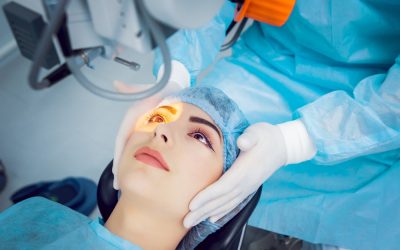
Surgery usually takes place in a hospital or eye clinic. Doctors use anesthesia, so you will not feel pain. The surgery often lasts less than two hours. Most people go home the same day.
After Surgery
After surgery, you may feel mild discomfort or see some redness. Your doctor will give you eye drops or medicine to help healing. Follow-up visits are important to check your recovery.
Risks and Benefits of Surgery
Like any surgery, nystagmus surgery has risks and benefits. Benefits may include:Better visionLess eye movementImproved head position
However, there are some risks:InfectionBleedingDouble visionNo change or only small improvement
Most people recover well, but it is important to discuss risks with your doctor.
Recovery and Post-Surgical Care
After surgery, rest your eyes as much as possible. Use any prescribed eye drops or medicine. Avoid rubbing your eyes. Attend all follow-up appointments. Most people return to normal activities within a week or two. However, full healing may take longer. If you notice pain, swelling, or vision changes, contact your doctor right away.
Lifestyle Tips and Support Resources
Living with nystagmus can be challenging. But, there are ways to make daily life easier:Use good lighting at home and workTake breaks when reading or using screensWear sunglasses to reduce glareAsk about vision aids or special glassesJoin support groups for people with eye movement disorders
Many communities and online groups offer help and advice. Your eye doctor can suggest local resources.
Prevention and Outlook
In many cases, nystagmus cannot be prevented. However, early treatment of eye or ear problems may help. With proper care, many people with nystagmus lead full lives. Surgical correction of nystagmus can improve vision for some. Still, results vary from person to person. Ongoing support and regular eye check-ups are important for the best outcome.
For personalized advice on nystagmus treatment options, consult an eye specialist at Global Eye Hospital .