Introduction
Eye Stroke (Retinal Artery Occlusion) is a serious eye condition. It happens when blood flow to the retina is blocked. The retina is the part of your eye that helps you see. Without quick treatment, this blockage can cause sudden vision loss. Because vision is so important, knowing about eye stroke can help you act fast if symptoms appear. Early action may save your sight.
What is Eye Stroke (Retinal Artery Occlusion)?
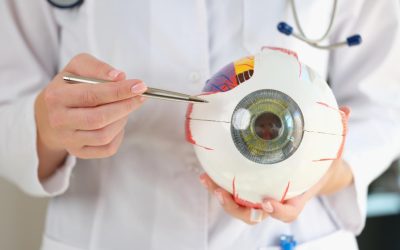
Eye stroke, also called Retinal Artery Occlusion, occurs when a blood vessel in the retina gets blocked. As a result, the retina does not get enough oxygen. This can damage the cells that help you see. There are two main types:Central Retinal Artery Occlusion (CRAO): The main artery is blocked.Branch Retinal Artery Occlusion (BRAO): A smaller branch is blocked.
Both types can cause sudden vision problems. However, CRAO usually leads to more severe vision loss.
Common Symptoms
Eye stroke symptoms often appear suddenly. Therefore, it is important to notice them right away. Common signs include:Sudden, painless loss of vision in one eyeBlurry or dim visionPartial loss of vision, such as a shadow or curtain effectLoss of side (peripheral) vision
Sometimes, vision may return for a short time. However, this does not mean the problem is gone. If you notice any of these symptoms, seek help immediately.
Main Causes and Risk Factors
Eye stroke happens when something blocks blood flow in the retinal artery. Often, a blood clot or fatty deposit is the cause. Several risk factors increase your chances:High blood pressureDiabetesHigh cholesterolHeart diseaseSmokingOlder ageCarotid artery disease (narrowing of neck arteries)
In addition, some people have blood disorders that make clots more likely. Managing these risks can help prevent eye stroke.
How Eye Stroke is Diagnosed
Doctors use several tests to diagnose retinal artery occlusion. First, they will ask about your symptoms and medical history. Then, they may perform:Eye exam: The doctor checks the retina with a special light.Fluorescein angiography: A dye is injected to show blood flow in the eye.Optical coherence tomography (OCT): This scan shows detailed images of the retina.Blood tests: These check for clotting problems or other health issues.Heart and neck artery tests: These look for sources of clots.
Early diagnosis is key. Therefore, do not delay if you notice sudden vision changes.
Treatment Options
Treatment for eye stroke aims to restore blood flow and prevent further damage. However, treatment works best if started quickly. Options may include:Eye massage to move the blockageLowering eye pressure with medicine or proceduresBreathing in a mixture of carbon dioxide and oxygen to widen blood vesselsClot-busting drugs (in some cases)Treating underlying conditions like high blood pressure or diabetes
In addition, your doctor may refer you to a heart or blood specialist. Quick action can sometimes improve vision, but some loss may be permanent.
Prevention Tips and Lifestyle Guidance
While not all eye strokes can be prevented, healthy habits lower your risk. Try these tips:Control blood pressure, cholesterol, and diabetesDo not smokeEat a balanced diet rich in fruits and vegetablesExercise regularlyTake medicines as prescribedSee your doctor for regular check-ups
Moreover, managing heart and blood vessel health helps protect your eyes.
When to Seek Immediate Medical Help
If you notice sudden vision loss or any of the symptoms listed above, seek emergency care right away. Time is critical. The sooner you get treatment, the better your chance of saving your vision. Do not wait for symptoms to go away on their own.
Conclusion
Eye Stroke (Retinal Artery Occlusion) is a medical emergency. Sudden vision loss should never be ignored. If you notice any changes in your vision, consult an eye specialist at Global Eye Hospital immediately for personalized care. Early action can make a big difference.