What is Keratoconus?
Keratoconus is an eye condition that affects the cornea. The cornea is the clear, dome-shaped front part of your eye. In keratoconus, the cornea becomes thin and starts to bulge outward like a cone. Because of this change, vision can become blurry or distorted. Many people first notice problems in their teens or early twenties. However, the condition can develop at any age. Early detection is important for better outcomes. According to the World Health Organization, regular eye exams help catch keratoconus early.
Early Signs and Symptoms of Keratoconus
It is important to know the early signs of keratoconus. Early treatment can help protect your vision. Watch for these symptoms:Blurred or distorted vision that does not improve with glassesFrequent changes in your eyeglass prescriptionIncreased sensitivity to light and glareDifficulty seeing at nightSeeing halos around lightsEye strain or headaches after reading
Sometimes, these signs may seem mild at first. But over time, they can get worse. If you notice any of these symptoms, it is wise to see an eye doctor soon.
Causes and Risk Factors
Doctors do not know the exact cause of keratoconus. However, several factors may increase your risk. For example, you may be more likely to develop keratoconus if you:Have a family history of keratoconusFrequently rub your eyesHave certain medical conditions, like allergies or asthmaAre a teenager or young adult (as it often starts in youth)
Even though anyone can get keratoconus, these factors make it more likely. Therefore, knowing your risk can help you take action early.
Diagnosis of Keratoconus
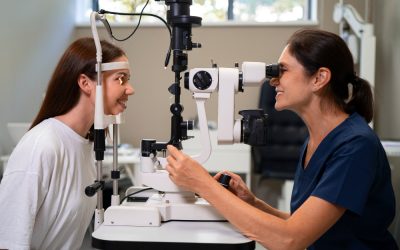
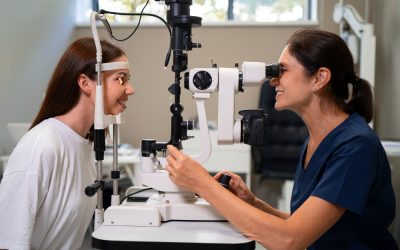
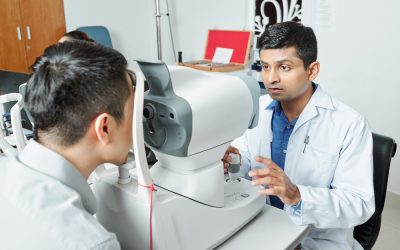
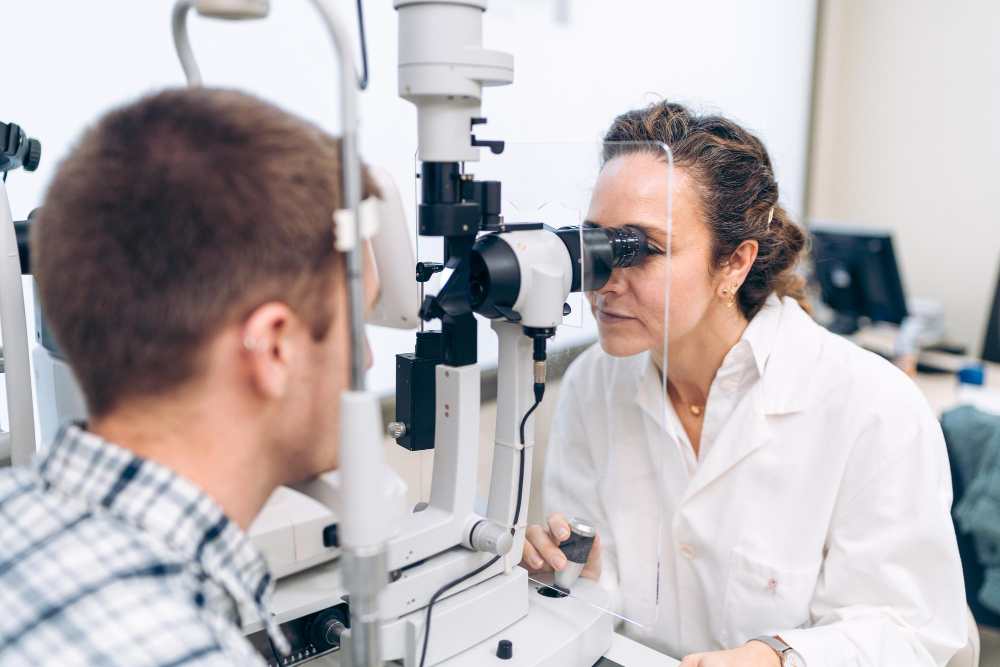
Early diagnosis of keratoconus is important. Eye doctors use several tests to check for this condition. For instance, they may:Examine your eyes with a special microscopeMeasure the shape and thickness of your corneaUse corneal topography to create a map of your corneaCheck your vision with standard eye charts
With these tests, doctors can spot keratoconus even in its early stages. If you live in a city with advanced eye care, you may find clinics offering keratoconus diagnosis and treatment options.
Treatment Options for Keratoconus
Treatment for keratoconus depends on how severe the condition is. Early on, glasses or soft contact lenses may help. As the disease progresses, other options may be needed. Some common keratoconus treatment options include:Eyeglasses or soft contact lenses: Useful in the early stagesRigid gas permeable lenses: These provide clearer vision as the cornea changes shapeCorneal cross-linking: A procedure that strengthens the cornea to slow down the diseaseIntacs: Small implants that help flatten the corneaCorneal transplant: Needed in severe cases when other treatments do not work
Your eye doctor will recommend the best treatment based on your needs. In many cities, you can find advanced keratoconus treatment options.
Lifestyle Tips and Prevention
While you cannot always prevent keratoconus, some steps may help slow its progress. For example:Avoid rubbing your eyes, as this can make the condition worseWear sunglasses to protect your eyes from UV raysManage allergies to reduce eye irritationGet regular eye exams, especially if you have a family history
By following these tips, you can help protect your vision and catch problems early.
When to See an Eye Specialist
If you notice any early signs of keratoconus, do not wait. Schedule an appointment with an eye specialist right away. Early diagnosis and treatment can make a big difference. Even if you do not have symptoms, regular eye exams are important for everyone. Remember, your eye health matters. If you have questions about keratoconus diagnosis or treatment options, talk to your doctor.
If you notice any early signs of keratoconus, consult an eye specialist at Global Eye Hospital for personalized advice.