Introduction
Many people dream of clear vision without glasses or contacts. Refractive surgery can help make this possible. If you are preparing for refractive surgery, you may have questions. This guide will help you understand the process and what to expect before your procedure. With the right steps, you can feel confident and ready for your surgery.
Understanding Refractive Surgery
Refractive surgery is a type of eye procedure. It changes the shape of your cornea to improve vision. Because of this, many people no longer need glasses or contact lenses after surgery. The most common types are:LASIK: A laser reshapes the cornea quickly and painlessly.PRK: The surface layer of the cornea is removed before reshaping.
Both LASIK and PRK are safe and effective. However, your doctor will help you choose the best option for your eyes. According to the American Academy of Ophthalmology, these surgeries have high success rates.
Who Is a Candidate?
Not everyone is a good fit for refractive surgery. Before you start preparing for refractive surgery, your doctor will check if you meet certain criteria. You may be a candidate if:You are at least 18 years old.Your vision has been stable for at least one year.Your eyes are healthy, with no infections or injuries.You do not have certain health conditions, like uncontrolled diabetes.Your corneas are thick enough for surgery.
Still, some people may not qualify. For example, if you are pregnant or have severe dry eyes, your doctor may suggest waiting. Always discuss your medical history with your eye specialist.
Pre-Surgery Preparation
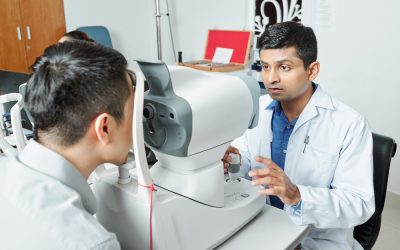
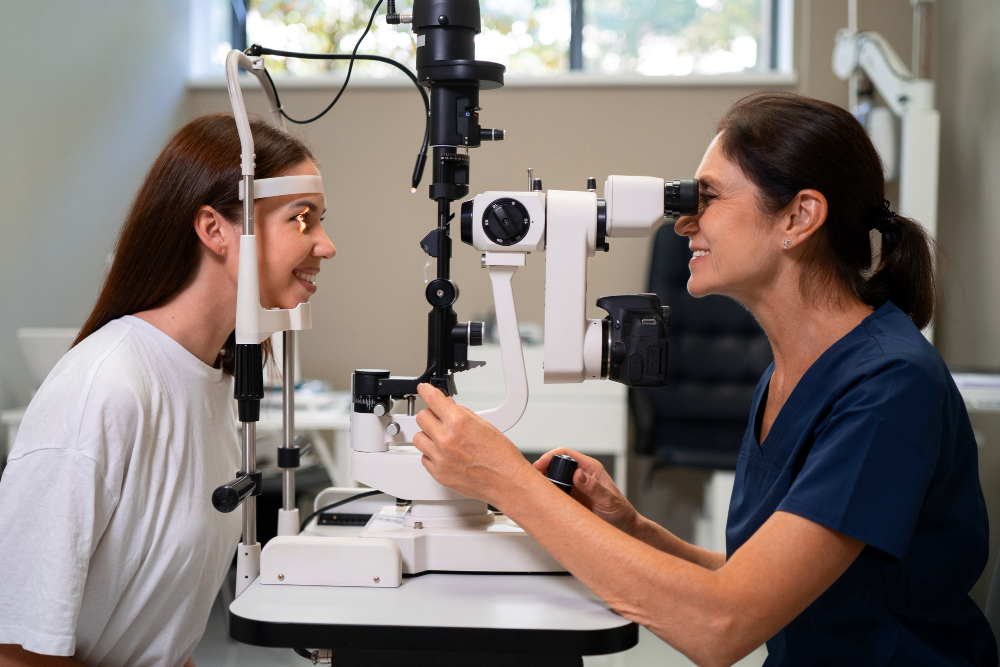
Proper preparation is key for a smooth surgery. Here are some refractive surgery preparation tips to follow:Schedule a full eye exam: Your doctor will measure your eyes and check for any problems.Stop wearing contact lenses: Switch to glasses for at least 1–2 weeks before your exam. Contacts can change the shape of your cornea.Review your medications: Tell your doctor about all medicines and supplements you take. Some may need to be stopped before surgery.Avoid eye makeup and creams: For at least 24 hours before surgery, do not use any products around your eyes.Arrange for a ride home: You will not be able to drive right after your procedure.
In addition, follow any special instructions from your eye doctor. These steps help ensure your eyes are healthy and ready for surgery.
What to Expect on Surgery Day
Knowing what to expect before refractive eye surgery can ease your nerves. On the day of your procedure:Arrive early to complete any paperwork.Do not wear makeup, lotions, or perfumes.Bring your ID and insurance information.Wear comfortable clothing.Bring sunglasses to protect your eyes after surgery.
Usually, the surgery takes less than 30 minutes. You will be awake, but your eyes will be numbed with drops. After the procedure, you can rest for a short time before going home.
Aftercare and Recovery Tips
Proper care after surgery helps your eyes heal. Here are some tips for a smooth recovery:Use eye drops as prescribed by your doctor.Rest your eyes and avoid rubbing them.Wear sunglasses outdoors to protect your eyes from bright light.Avoid swimming, hot tubs, and dusty areas for at least one week.Attend all follow-up appointments to check your healing.
Most people notice better vision within a few days. However, full healing can take several weeks. If you notice pain, redness, or vision changes, contact your doctor right away.
Frequently Asked Questions
Is refractive surgery safe?
Yes, refractive surgery is safe for most people. Still, like any surgery, there are risks. Your doctor will discuss these with you before the procedure.
How long before I can return to work?
Many people go back to work within a few days. However, your doctor may suggest waiting longer if your job requires heavy eye use.
Can I wear makeup after surgery?
Wait at least one week before using eye makeup. This helps prevent infection and irritation.
Will I need glasses after surgery?
Most people see well without glasses. However, some may still need them for certain tasks, especially as they age.
Conclusion & Call-to-Action
Preparing for refractive surgery is an important step toward better vision. By following these tips, you can help ensure a smooth experience and optimal results. For the best outcomes, always consult your ophthalmologist at Global Eye Hospital. They can provide advice tailored to your eyes and individual needs.
Schedule a consultation today at Global Eye Hospital to learn more about your options and take the first step toward clearer vision.