Introduction
Cataracts are a common eye problem, especially as people age. They cause the lens of your eye to become cloudy, which can blur your vision. Because cataracts can affect daily life, it is important to know tips to prevent eye cataract. Early prevention can help you keep your vision clear for longer. In this blog, you will learn simple steps to lower your risk of cataracts and keep your eyes healthy.
What Are Cataracts?
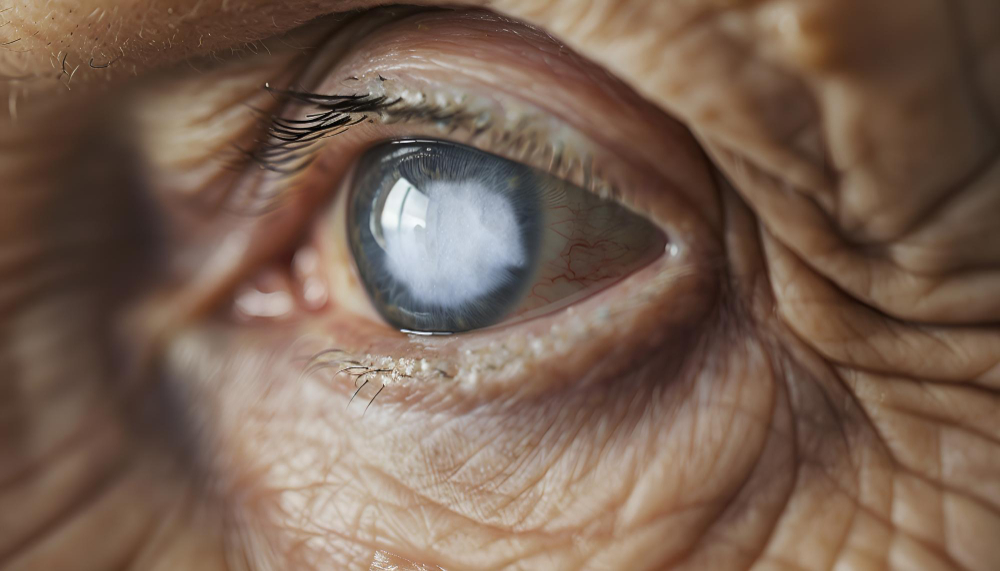
Cataracts happen when the clear lens inside your eye becomes cloudy. This cloudiness makes it hard to see clearly. Over time, cataracts can make it difficult to read, drive, or see faces. Although cataracts are more common in older adults, they can affect anyone. For example, some people may get cataracts earlier due to health problems or lifestyle choices. According to the World Health Organization, cataracts are a leading cause of vision loss worldwide.
Why Is Cataract Prevention Important?
Preventing cataracts is important because they can greatly affect your quality of life. If left untreated, cataracts can lead to blindness. However, many risk factors can be managed with simple changes. By taking steps now, you can protect your eyesight and stay independent as you age. In addition, prevention can reduce the need for surgery later on. Therefore, learning how to prevent cataracts is a smart choice for your eye health.
Top Tips to Prevent Eye Cataract
Healthy Diet and Nutrition
Eating the right foods can help keep your eyes healthy. For instance, foods rich in vitamins C and E may lower your risk of cataracts. Leafy greens, oranges, nuts, and seeds are great choices. In addition, foods with antioxidants protect your eyes from damage. Try to include these foods in your daily meals:Spinach, kale, and other leafy greensOranges, strawberries, and other fruits high in vitamin CAlmonds, sunflower seeds, and other sources of vitamin EFish like salmon, which is rich in omega-3 fatty acids
Moreover, drinking enough water helps keep your eyes moist and healthy.
Protecting Eyes from UV Light
Sunlight can damage your eyes over time. Because of this, wearing sunglasses that block UV rays is important. Look for sunglasses labeled “100% UV protection.” In addition, wearing a wide-brimmed hat can give extra shade. Even on cloudy days, UV rays can reach your eyes. Therefore, make it a habit to protect your eyes whenever you go outside.
Managing Health Conditions (e.g., diabetes)
Some health problems, like diabetes, can increase your risk of cataracts. Keeping your blood sugar under control helps protect your eyes. If you have high blood pressure, managing it is also important. Regular checkups with your doctor can help you spot problems early. In addition, following your doctor’s advice can lower your risk of eye diseases.
Avoiding Smoking and Excessive Alcohol
Smoking is a major risk factor for cataracts. Quitting smoking can lower your risk and improve your overall health. Likewise, drinking too much alcohol can harm your eyes. Try to limit alcohol to moderate levels or avoid it altogether. If you need help quitting, talk to your doctor or join a support group.
Regular Eye Checkups
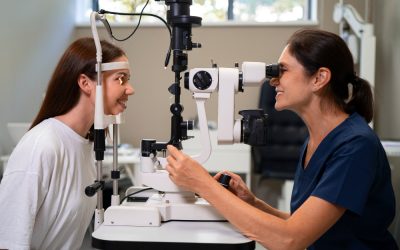
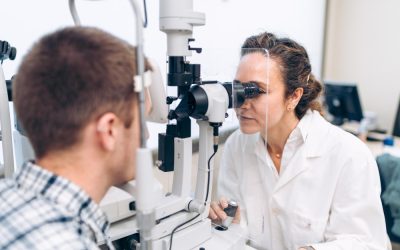
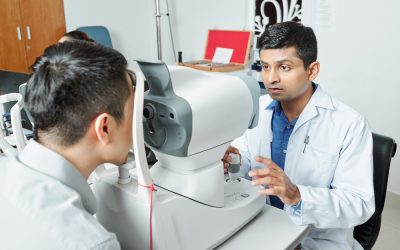
Getting your eyes checked regularly is one of the best ways to prevent cataracts. Eye doctors can spot early signs of cataracts and other problems. Early treatment can help keep your vision clear. For adults over 40, an eye exam every one to two years is recommended. If you have risk factors, you may need more frequent checkups.
Lifestyle Changes for Eye Health
Besides the tips above, making healthy lifestyle changes can protect your eyes. For example, eating a balanced diet, staying active, and getting enough sleep all support eye health. In addition, washing your hands before touching your eyes can prevent infections. If you use screens often, take breaks to rest your eyes. These small changes can make a big difference over time.
When to See an Eye Specialist
If you notice changes in your vision, see an eye specialist right away. Signs to watch for include blurry vision, trouble seeing at night, or seeing halos around lights. Early treatment can prevent further vision loss. Even if you have no symptoms, regular eye exams are important. Your eye doctor can give you advice tailored to your needs.
In summary, following these tips to prevent eye cataract can help you keep your vision clear and healthy. For the best advice, consult an eye specialist at Global Eye Hospital about your personal risk and prevention plan.